
Modular humanoid robots for European industry.
Designed, built and tested in Linz, Austria.
MORO Robotics
Humanoid robots for the work nobody wants to do.
Every MORO robot is assembled from swappable modules – head, limbs, hands and energy. When a joint fails, it is swapped on the shop floor instead of shipping the robot back to the lab. We design, build and test in Linz, Austria, and we are looking for pilot partners in Upper Austrian industry.
 CAD · SOMO X1
The robot · X1 · experimental first version
SOMO X1
[Two to three sentences about the robot: what it does, for whom, and what makes it different.]
- Height
- [—] cm
- Weight
- [—] kg
- Degrees of freedom
- [—]
- Payload per arm
- [—] kg
- Battery
- 13S Li-ion
- Runtime
- [—] h
00DOF
Degrees of freedom
00min
To swap a limb module
0h
Runtime per battery
00kg
Payload, both arms
Why a humanoid?
The world is built for legs.
Factories, warehouses and workshops were designed by people, for people – with steps, door sills, stairs and platforms. A single step can lock out a wheelchair user: not because of the person, but because the building was planned around legs.
Wheels win on smooth floors built for them. Most real workplaces are not built for them.
Built from modules, not from scratch.
Four module families make up every robot. Each one can be replaced, upgraded or reused on its own.
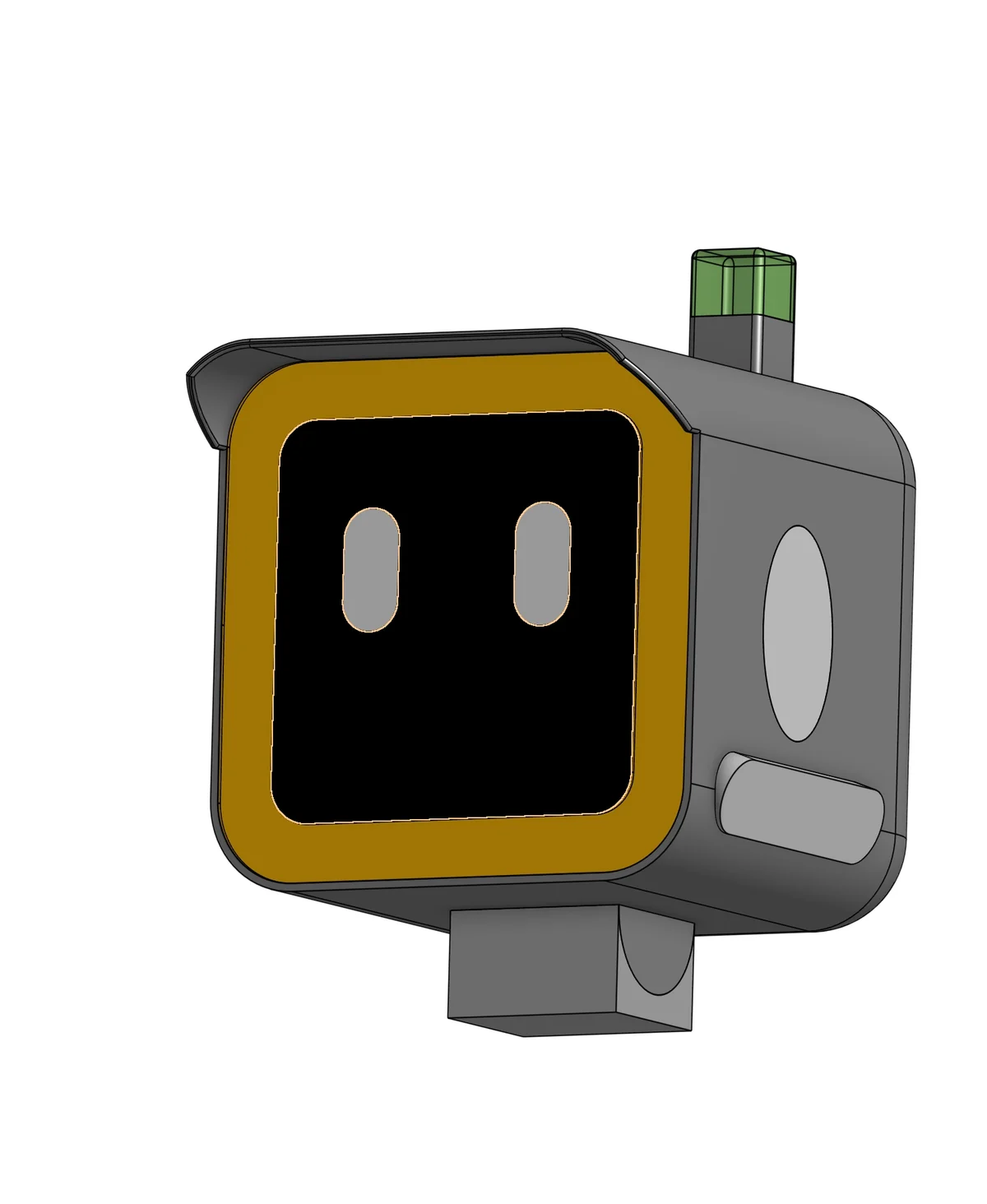
Head & interface
Face display, depth camera, speaker and microphone in one swappable unit.
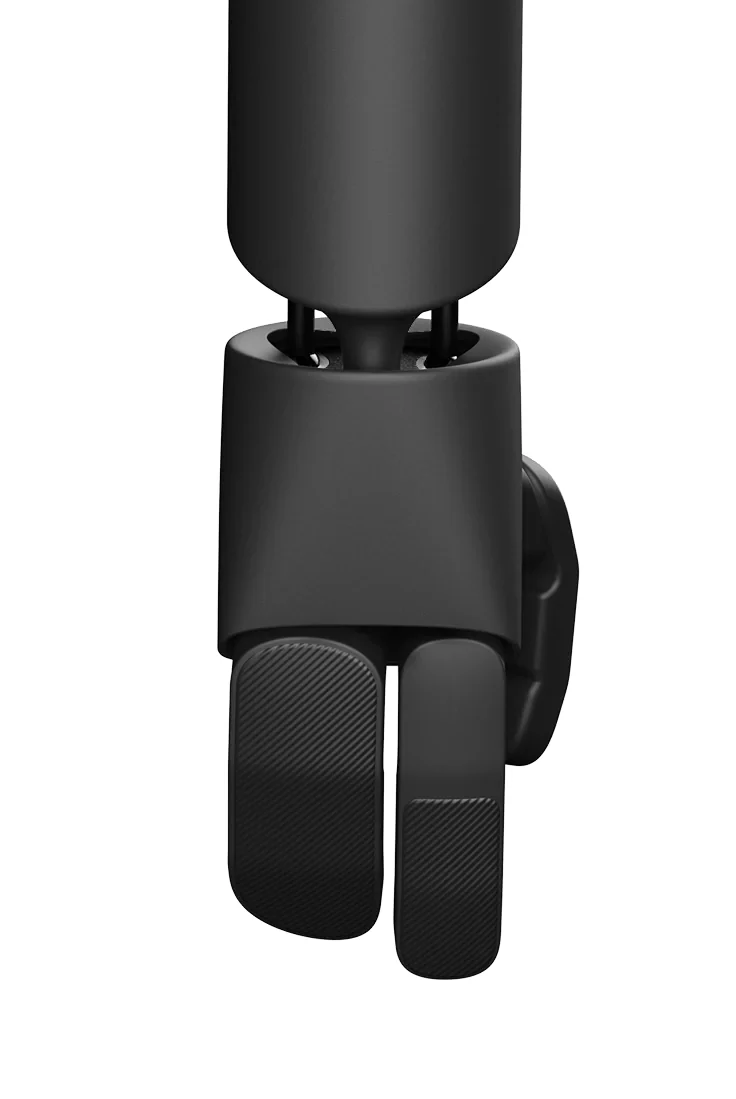
Hands
End effectors that change with the task – gripper today, dexterous hand tomorrow.
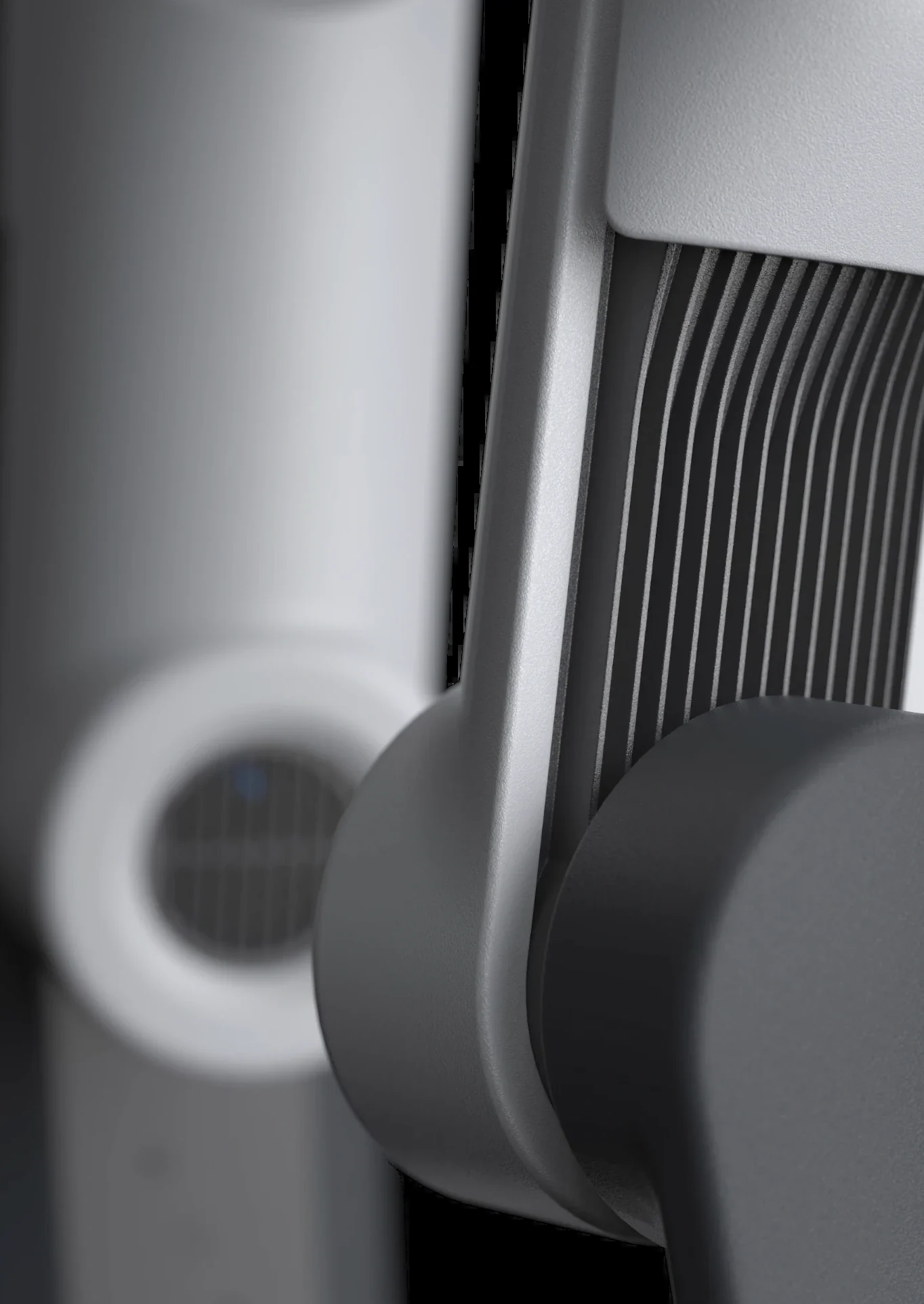
Limbs & joints
Identical limb modules with a quick-connect interface for power and data.
Energy
A 13S battery module with its own management electronics.
From sketch to shop floor.
How a MORO robot comes together – every step happens in Linz.
01
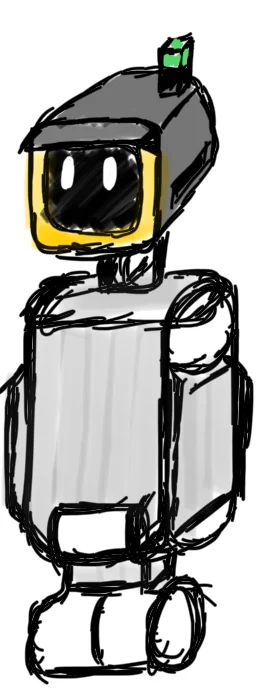
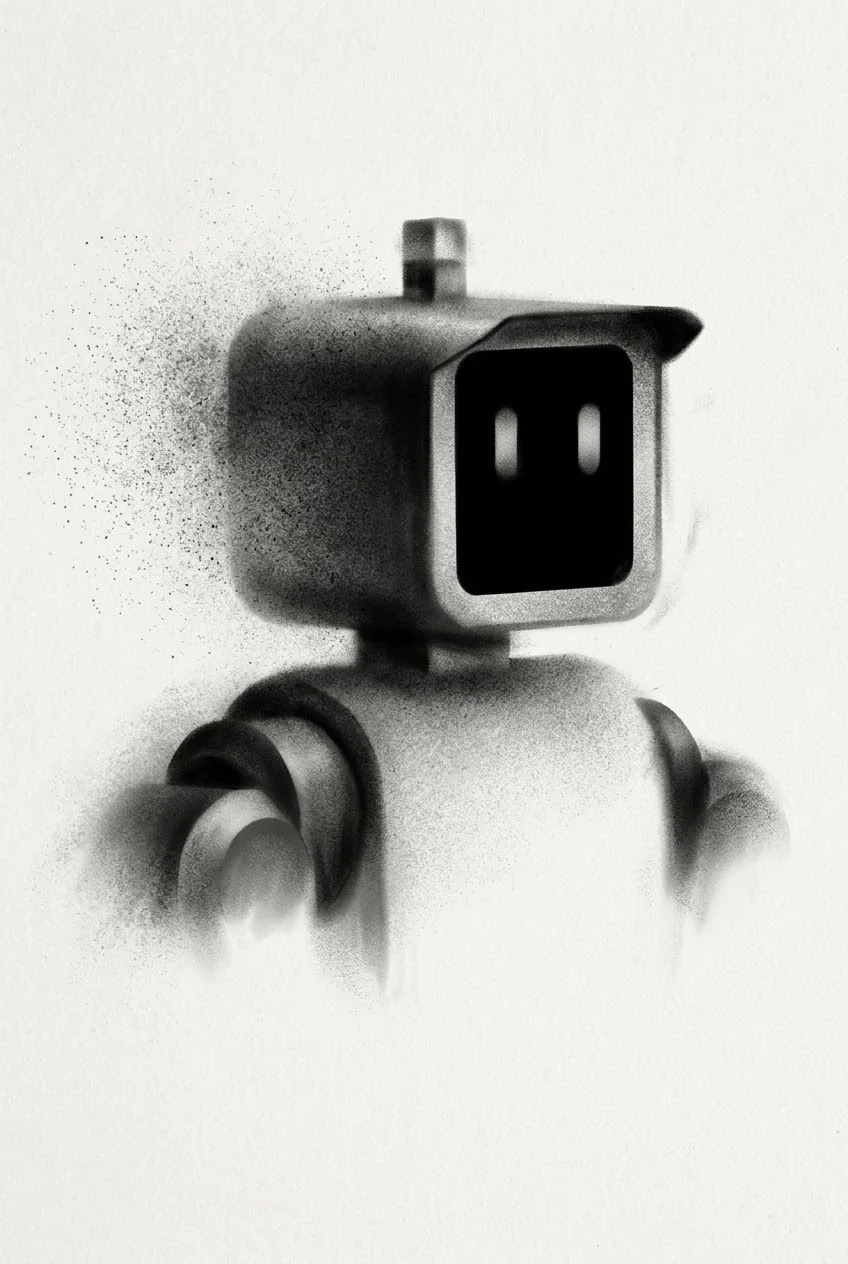
Sketch
Proportions, character and module boundaries start on paper.
02
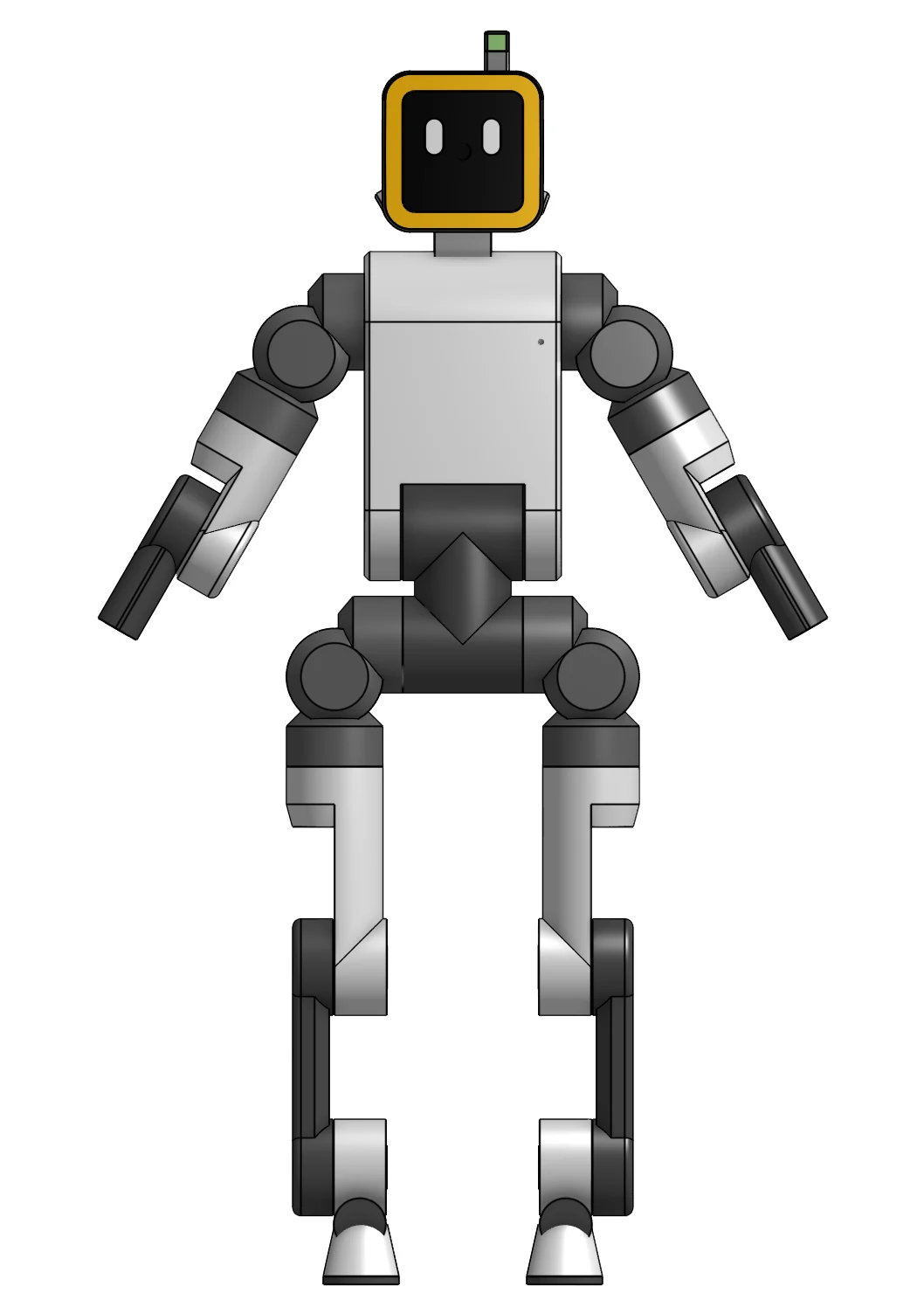
CAD
Every module is modelled, simulated and checked for assembly.
03
Prototype
[What the first prototype proves.]
04
Pilot
[Where and with whom the robot is tested first.]
Why modular
Robots should be repaired like machines, not replaced like phones.
A factory cannot wait for a robot to come back from service. Modularity keeps the robot on the floor, keeps spare parts simple and lets one platform learn many jobs.
About usCareers
Build hard things.
We are forming the founding team in Linz – people who want to put a humanoid robot into real factories.
Pilot projects
Got a job for a humanoid?
We are looking for manufacturers in Upper Austria who want to test a modular humanoid on a real task.